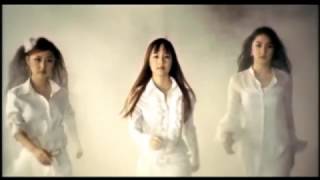
S.E.S., an acronym for Sea, Eugene, and Shoo, was a pioneering South Korean girl group formed by SM Entertainment. The trio debuted on November 1, 1997, quickly rising to prominence as one of the first commercially successful K-pop idol groups. Their formation marked a significant moment in the development of the K-pop industry, setting a precedent for future idol groups with a focus on polished visuals, synchronized choreography, and catchy, commercially viable music. SM Entertainment's strategic planning and resource investment in S.E.S. contributed significantly to their initial success and paved the way for the agency's later dominance in the K-pop landscape.
Musically, S.E.S. established a signature sound that blended bubblegum pop melodies with R&B influences, a style that resonated strongly with the late 1990s and early 2000s audience. Their discography boasts numerous hit songs, including "I'm Your Girl," "Dreams Come True," "Love," and "Twilight Zone," which topped Korean music charts and solidified their status as a leading girl group. S.E.S.'s artistic style, characterized by clean-cut images, carefully choreographed routines, and an emphasis on vocal harmony, differentiated them from other acts of the time and contributed to their wide appeal. They cultivated a "pure" image, targeting a broad demographic and solidifying their position as "national fairies" in South Korea.
S.E.S. holds significant importance in the history of K-pop, representing a pivotal moment in the idol group phenomenon. Their immense popularity paved the way for the second generation of K-pop groups and established a formula for success that many subsequent groups would emulate. They demonstrated the commercial viability of the idol group model, influencing the industry's approach to talent development, marketing strategies, and music production. S.E.S.'s success also played a crucial role in expanding K-pop's reach beyond South Korea, contributing to the early stages of the Korean Wave (Hallyu).
Throughout their career, S.E.S. achieved numerous milestones, including multiple chart-topping albums, sold-out concerts, and prestigious awards. They released several successful albums in Korean and even ventured into the Japanese market, contributing to the growing international interest in K-pop. While their early music maintained a youthful and innocent image, their later releases explored more mature themes and musical styles, reflecting their growth as artists. The group officially disbanded in 2002, but they have reunited on several occasions, showcasing their enduring bond and reminding fans of their lasting impact.
Following the disbandment, each member pursued individual careers. Bada embarked on a successful career as a solo singer and musical actress, showcasing her powerful vocals and stage presence. Eugene transitioned into acting, appearing in numerous television dramas and films, establishing herself as a prominent actress. Shoo also pursued acting and musical theater, while also exploring entrepreneurial ventures. All three members have remained active in the entertainment industry, occasionally reuniting for special performances and projects.
Although S.E.S. disbanded in 2002, their legacy as one of the first hugely successful K-pop girl groups remains firmly intact. They are remembered for their groundbreaking achievements, their influential music, and their lasting impact on the K-pop industry. Their songs continue to be popular among fans, and their image is often referenced by current artists as a testament to their pioneering role. S.E.S. is not only remembered as a group that dominated the late 1990s and early 2000s, but also as a group that helped define the very landscape of K-pop as it exists today.
Keep exploring
Choose your next stop
Follow an agency, era, or style connection without returning to search.